17 – 28 July 2023, weekdays
IL: L718;
KULeuven: B-KUL-A07N5A
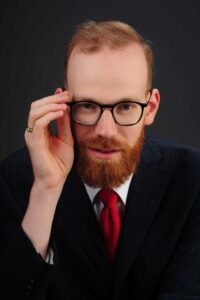 Taught by: Doctoral Researcher Duco Vollebregt
with the moderation of Prof. Daniel McCarthy OSB
Aims:
At the end of the course each student will be prepared to describe and explain:
i. a selection of texts of liturgical character from the first christian centuries
ii. the context, authors and liturgical content of the texts studied
iii. the theological content and contribution of the texts studied to developing liturgical traditions.
Dates: 17-28 July 2023, weekdays
Cost: £280
Hours: 15.00-18.00 (including a break)
The course anticipates the student will spend 60 hours in personal reading and study.
Location: Liturgy Institute London (at Ealing Abbey)
74 Castlebar Road Ealing London, W5 2DD, UK
Telephone: +44 (0)20 8194 2320
For further details or to register contact the Institute at:
E-mail: il AT liturgyinstitute DOT com
KU Leuven awards 4 study points upon the successful completion of this graduate course.
The Institutum Liturgicum accepts this as an optional course for its IL certificate.
Previous knowledge
It is recommended that participants have a general familiarity with the Bible and the history of western civilization in the Christian period in order to understand the general context and content of the documents examined and their contribution to developing liturgical traditions. Analysis of texts of early Christian writers assumes a working ability in Latin and some basic knowledge of Greek. Suggested but not required are the L701 Liturgy Research Seminar and L702 Liturgy in the West, History and Context.
Content
The instructor presents a general introduction to Early Christian writers and a working bibliography with a specific bibliography of critical editions and studies for a series of important early Christian documents including the Didache, Justin Martyr, Tertullian, Cyprian, the Apostolic Tradition, Ambrose, Egeria, Cyril of Jerusalem. Together we shall read selected writings which pertain to the liturgy and consider the cultural, historical and ecclesial context of each and their contribution to the developing liturgies of the church and to their theology.
Course Material
♦ B. STUDER, “Liturgy and the Fathers”, tr. M. O’Connell, in A.J. Chupungco (ed.) Handbook for Liturgical Studies I, Liturgical Press, Collegeville MN 1997, 53-79.
♦ B. STUDER, “Liturgical Documents”, in ibid, pppp.
♦ T.K. CARROLL – T. HALTON, Liturgical Practices in the Fathers, Michael Glazier, Wilmington DW 1988.
♦ L. DEISS, Springtime of the Liturgy, Liturgical Press, Collegeville MN 1979.
Course activities
♦ read and study the recommended texts and other liturgical and cultural sources;
♦ active participation in class activities;
♦ development of a knowledge of the theological issues involved in their contemporary controversies;
♦ development of a knowledge of the diverse perspectives and developments relating to the liturgy in the early period.
Evaluation description
Examination type: ongoing (40%) and oral (60%) with written preparation.
When?: the ongoing assessment is based on regular participation in class discussion. The oral exam is conducted at the end of the final session; written preparation comprises notes handed in at the beginning of the oral exam and kept on file for one year.
Explanation: The ongoing assessment is based on the student’s demonstration of having read the assigned materials and contribution to class discussion. For the oral assessment, students may bring their prepared written notes to help the student prepare a satisfactory answer and to support the student in his or her oral presentation and discussion. Copies of the documents discussed during the course may be brought by the student. For the exam students choose one document for a more detailed study and prepare the other materials for a more general discussion of the continuity and change of early liturgies. The instructor asks descriptive-analytical questions to accertain the student’s knowledge of the facts and synthetic-applied questions concerning the relationship of the document and liturgies as they develop.
Criteria for evaluation: The ongoing assessment is based on the student’s demonstration of having read the assigned materials and contribution to class discussion. The oral assessment is based on the student’s oral presentation of their study and their general understanding as presented to the discussion.
Second opportunity to sit the exam: Because this is an intensive summer course, the opportunity for a second exam is by appointment and depends upon the availability of the instructor.
Notes: Students must be over 18 years of age.
Students wishing to pursue our programme of studies are encouraged to begin with the two courses L701 Liturgical Research Seminar and L702 Liturgy in the West: History and Context before progressing to other courses.
If students enrol in two concurrent courses, they may wish to prepare for the intensive schedule by reading suggested texts before the course begins.
The instructor will arrange with the students to be available regularly for some time at the Institute and is also available by appointment.
Students and the public are invited to attend the annual St Bede Lecture, to be held at Ealing Abbey on Saturday afternoon 8 July at 2.30 PM.
Non-residential day students are welcome.
Limited accommodation is available through Ealing Abbey house for guests or other religious houses or nearby.
Additional information from KU Leuven course web-site
Academic year: 2023−2024
Study points: 4
Language: English
Difficulty: Graduate-Intermediate
Duration: 26.0 hours
Periodicity: Taught every other year, beginning with the summer session 2012
POC: POC Theology and Religious Studies
This course is included in
Research Master of Advanced Studies in Theology and Religion (120 ECTS)
Master of Theology and Religious Studies Study Abroad Programme in European Culture and Society (PECS)
A link to the course descriptor at KU Leuven is available here.
Page updated on 19 December 2022 by DM.