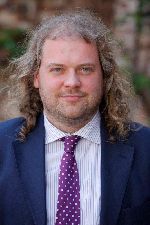
Prof. Joris Geldhof
1-12 July 2024, Weekdays
IL: L705
KULeuven: B-KUL-A07I5A, 4 study points
Taught by:
first week: Stefan Geiger
second week: Joris Geldhof
Aims:
Students:
♦ familiarize themselves with the emergence of liturgical theology in the course of the 20th century
♦ understand the content of A. Schmemann’s, A. Kavanagh’s and D.W. Fagerberg’s approach to liturgical theology
♦ can explain the meaning of the adage lex orandi, lex credendi as well as the reasons why it is both important and controversial
♦ develop a personal and critical standpoint towards the particularity of liturgical theology as it is interpreted by Schmemann, Kavanagh, and Fagerberg
♦ can apply the insights of liturgical theology to methodological issues and to questions of a more systematic-theological nature.
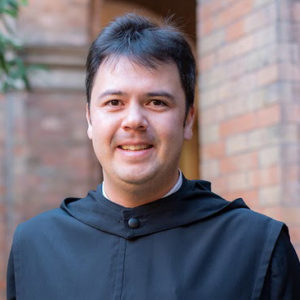
Prof. Stefan Geiger
Hours: To be determined. Typically 14.00 – 17.00 (including one 24 minute break)
The course anticipates the student will spend 60 hours in personal reading and study.
Location: Liturgy Institute London (at Ealing Abbey)
74 Castlebar Road Ealing London, W5 2DD, UK
Telephone: +44 (0)20 8194 2320
For further details or to register contact the Institute:
E-mail Clare Cogswell, the Registrar, at this linked E-mail address.
Location on Google Maps is found here.
KU Leuven awards 4 study points upon the successful completion of this graduate course.
The Institutum Liturgicum requires this course for its IL certificate.
Previous knowledge
Students have some background in liturgy and liturgical studies.
Content
1. The history and particularity of liturgical theology
2. Schmemann as the initiator of liturgical theology
3. Schmemann continued: Kavanagh and Fagerberg
4. Critical evaluation of Schmemann, Kavanagh, and Fagerberg.
Course Material
The students are invited to purchase a personal copy of the three books by Alexander Schmemann, Aidan Kavanagh, and David W. Fagerberg. Additional reading material will be provided by way of a master copy, which the students can then copy for themselves.
Course activities
The course is organized around a close reading of three books:
♦ ALEXANDER SCHMEMANN, Introduction to Liturgical Theology.
♦ AIDAN KAVANAGH, On Liturgical Theology by Aidan Kavanagh.
♦ DAVID W. FAGERBERG, Theologia Prima. What is Liturgical Theology.
Students are expected to read indicated chapters before each class. Classes will be devoted to intensive discussions of the background, the meaning, and the implications of the claims made by the three central authors.
Evaluation description
Examination type: Three elements are taken into account for the evaluation:
- class attendance and active participation in the discussions (30%)
- the quality of a brief presentation in class (20%)
- the quality of the final essay (50%)
The details about these three elements are clearly communicated in the first session.
When?: permanent assessment, exam outside examination period.
Evaluation type: Open questions.
Explanation: Paper/Project, Presentation, Participation during contact hours.
Second opportunity to sit the exam: Because this is an intensive summer course, the opportunity for a second exam is by appointment and depends upon the availability of the instructor.
Notes: Students must be over 18 years of age.
Students wishing to pursue our programme of studies are encouraged to begin with the two courses L701 Liturgical Research Seminar and L702 Liturgy in the West: History and Context before progressing to other courses.
This course may be taken alone or in conjunction withcourses L701 Liturgical Research Seminar or L702 Liturgy in the West: History and Context.
If students enrol in two concurrent courses, they may wish to prepare for the intensive schedule by reading suggested texts before the course begins.
The instructor will arrange with the students to be available regularly for some time at the Institute and is also available by appointment.
Non-residential day students are welcome.
Limited accommodation is available through Ealing Abbey house for guests or other religious houses or nearby.
Additional information from KU Leuven course web-site
Academic year: 2024 − 2025
Study points: 4
Language: English
Difficulty: Master’s level-Intermediate
Duration: 26.0 hours
Periodicity: Taught biennially in even numbered years during Block I
POC: POC Theology and Religious Studies
This course is included in
Research Master of Advanced Studies in Theology and Religion (120 ECTS)
Master of Theology and Religious Studies Study Abroad Programme in European Culture and Society (PECS)
A link to the course descriptor at KU Leuven is available here.
Page updated on 22 July 2023 by DM.